
Understanding Luck in Casino Games
Luck is an inherent aspect of casino gaming, influencing outcomes in various ways across numerous games. In many games, the results are solely based on random events, such as the spin of a roulette wheel or the shuffle of a deck of cards. This randomness is what makes certain games thrilling for players, as they know that even a novice can win against seasoned veterans purely by chance. The unpredictability of luck attracts individuals who seek the excitement of potential wins, and those who want to play can easily access a variety of options, such as casino online platforms, fostering an environment where fortunes can change in an instant.
The concept of luck also plays a psychological role in casino gaming, where players often interpret winning streaks as good fortune and losing streaks as bad luck. This perspective can greatly affect their approach and decision-making at the tables or with machines. For instance, a player who wins several hands in a row may feel invincible, leading them to increase their bets and embrace riskier strategies, believing that luck is on their side. Conversely, after a series of losses, a player might adopt overly cautious behavior, thinking that they are on a negative streak, which can hinder their ability to play optimally.
It’s essential to recognize that luck is not just a one-dimensional factor but varies based on the specific game being played. In slot machines, luck dominates entirely, as players have no control over the outcome. However, in games like blackjack or poker, while luck plays a role in the cards dealt, skillful players can leverage their expertise and strategies to tilt the odds in their favor over the long run. This duality of luck and skill creates a fascinating dynamic in casino gaming, where every player must navigate both elements as they engage in their favorite games.
The Importance of Skill in Strategic Games
In contrast to games driven purely by chance, skill-based games like poker and blackjack require a deep understanding of strategy and decision-making. Players in these games must not only know the rules but also develop techniques to optimize their gameplay. For example, in poker, players analyze their opponents’ behavior, calculate odds, and make decisions based on probability rather than merely relying on the cards they are dealt. This strategic thinking allows skilled players to gain an advantage over others who may rely solely on luck.
Moreover, the level of skill can drastically influence a player’s longevity in such games. A knowledgeable blackjack player can implement card counting techniques, which can shift the house edge in their favor. With practice, players can refine their skills, enabling them to make informed decisions even when luck is not on their side. This aspect of skill elevates the gaming experience, transforming it from a simple game of chance into a battle of wits where strategy plays an equally crucial role.
Skill development is not just about understanding strategies; it also involves emotional control and discipline. A skilled player must manage their bankroll effectively and know when to walk away. This aspect of gaming psychology cannot be underestimated, as emotional decisions can lead to significant losses. By maintaining composure and making rational choices, skilled players can navigate the unpredictable landscape of casino gaming and emerge victorious, proving that while luck is vital, skill can indeed prevail in the long run.
The Balance Between Luck and Skill
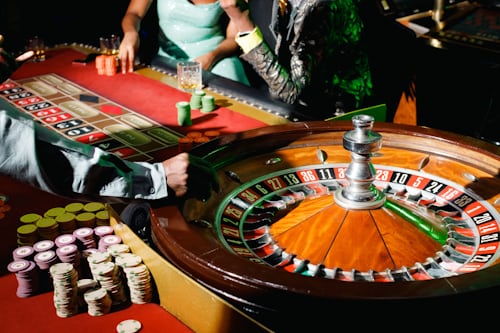
The interplay between luck and skill creates a unique atmosphere in the casino. While certain games rely heavily on luck, others provide opportunities for players to exercise their skills, leading to various outcomes. For instance, in roulette, each spin is an independent event that does not depend on previous spins, making it a game of luck. However, in games where strategic decisions are pivotal, like poker, luck can be mitigated by the skill of the player, illustrating that the two elements coexist in different proportions across various games.
This balance is vital because it influences how players approach their games. Casual players might prefer games with significant luck factors, enjoying the thrill and excitement without the pressure of skill-based strategies. On the other hand, competitive players often gravitate toward games that allow them to showcase their abilities, seeking not only enjoyment but also the challenge of outsmarting their opponents. This differentiation shapes the gaming experience, attracting a diverse player base to the casino environment.
Ultimately, understanding the role of luck and skill can provide players with a better perspective on their gaming experiences. It helps them establish realistic expectations and make informed decisions based on their preferences and abilities. By embracing both aspects, players can enhance their enjoyment and potentially increase their chances of success, leading to a more satisfying experience overall. This understanding is crucial, especially in environments where the stakes are high and the excitement is palpable.
Strategies to Enhance Your Game
To navigate the complex relationship between luck and skill effectively, players can employ several strategies to improve their casino gaming experience. First and foremost, understanding the odds and house edge for each game can empower players to make smarter decisions. By choosing games with favorable odds, players can enhance their chances of winning over time, whether they are relying on luck or skill. Knowledge of odds can guide betting strategies, helping players manage their funds effectively while participating in games.

Another critical strategy is to practice regularly. Many casino games offer free versions or low-stakes tables where players can hone their skills without the pressure of high stakes. Engaging in consistent practice allows players to familiarize themselves with different strategies and develop a more profound understanding of the game’s mechanics. This practice can also enhance emotional control, enabling players to remain calm and focused during high-pressure situations.
Lastly, players should remain aware of their personal limitations and set clear boundaries for themselves. Understanding when to walk away, whether in the midst of a winning streak or a losing one, is essential for maintaining a healthy approach to gaming. While luck can be unpredictable, skillful players can establish a playing strategy that accounts for both their strengths and weaknesses, leading to a more enjoyable and sustainable gaming experience.
Enhancing Your Casino Experience
Exploring the intricate relationship between luck and skill in casino gaming can transform the way players engage with their favorite games. Whether you are drawn to the thrill of chance or the intellectual challenge of strategy, understanding these elements will enhance your overall casino experience. By recognizing when luck plays a significant role and when skill can take precedence, players can make more informed decisions and enjoy their gaming sessions to the fullest.
Additionally, embracing both aspects allows for a richer experience in the casino. Players can enjoy the excitement of games of chance while also striving to improve their skills in strategic environments. This balance not only cultivates a more enjoyable experience but also encourages players to reflect on their gameplay, fostering personal growth and a deeper appreciation for the games they love.
By understanding how luck and skill interplay within the casino context, players can navigate their gaming journeys with greater confidence and purpose. Embracing this duality opens up a world of possibilities, allowing players to thrive in an environment where fortunes can change in an instant, presenting both exhilarating wins and valuable learning experiences. Whether you play for fun or seek to enhance your expertise, the knowledge of how these two elements work together can enrich your gaming experience immensely.